

Understanding the psychological triggers that influence gambling behavior
The Role of Cognitive Biases in Gambling
Cognitive biases are systematic patterns of deviation from norm or rationality in judgment, and they play a significant role in gambling behavior. Gamblers often exhibit biases such as the illusion of control, where they believe they can influence the outcome of a game of chance. In fact, many players are drawn to top 20 online casinos uk, convinced that their strategies can beat the odds. This distorted perception can lead to overconfidence and increased gambling activity, as individuals feel empowered to win against the odds.
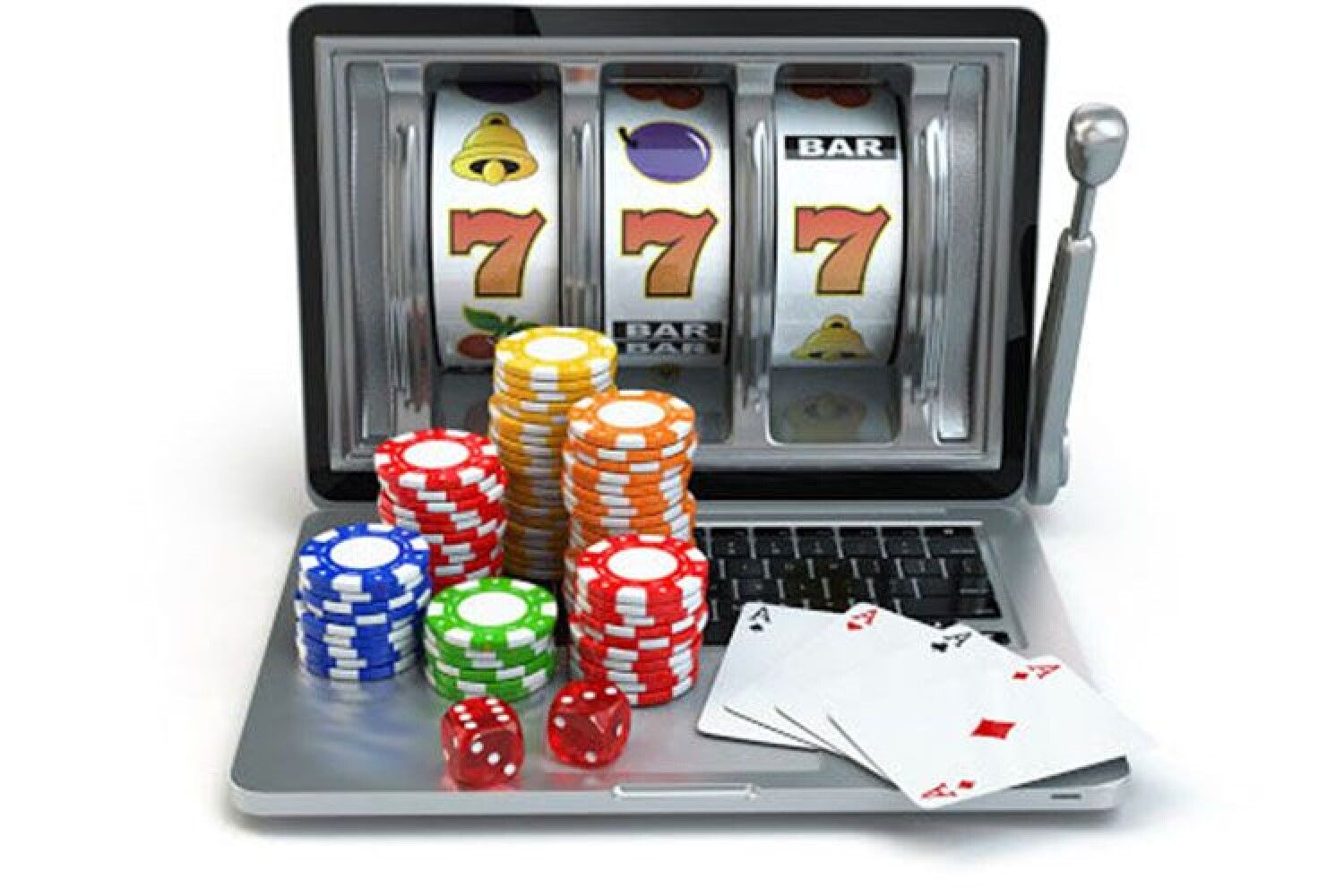
Another common cognitive bias is the gambler’s fallacy, which occurs when individuals believe that past events can influence future outcomes in games of chance. For instance, if a player has observed a losing streak, they may erroneously think that a win is ‘due’ soon. This misconception can lead to prolonged gambling sessions, causing players to wager more than they initially intended.
The Influence of Emotions on Gambling Behavior
Emotions have a profound impact on decision-making, particularly in gambling. Many individuals gamble as a way to escape negative feelings such as stress, anxiety, or depression. This form of emotional regulation can lead to impulsive gambling, where individuals bet more than they can afford, seeking immediate gratification to alleviate their emotional pain. Observing trends in sports betting can reveal how emotional highs and lows affect players’ choices, impacting their overall gambling experiences.
Conversely, positive emotions can also drive gambling behavior. The thrill of winning can create a euphoric state that motivates players to chase further excitement. This cycle of highs and lows can make it difficult for gamblers to recognize when to stop, leading to increased engagement in gambling activities and potential addiction.
The Social Environment and Gambling
The social context in which gambling occurs can significantly influence an individual’s behavior. Peer pressure and social validation can encourage gambling, particularly among younger individuals. When friends or family engage in betting, it can create a normalization of gambling behavior, making it more appealing to newcomers.
Furthermore, social interactions in gambling establishments, such as casinos and sports betting venues, can enhance the experience. The environment is often designed to be stimulating, with bright lights, sounds, and the presence of other gamblers creating a sense of excitement and urgency. This social aspect can reinforce the desire to gamble and contribute to the development of habitual gambling behaviors.
The Impact of Marketing and Advertising
Marketing strategies employed by gambling companies are specifically designed to trigger psychological responses that encourage betting. Advertisements often emphasize the potential for large wins and the excitement of gambling, creating an allure that can be hard to resist. The use of celebratory imagery and narratives can evoke strong emotional responses that draw individuals toward gambling activities.
Additionally, promotions and bonuses are strategically used to attract new players and retain existing ones. These incentives create a sense of urgency, prompting individuals to gamble more frequently to take advantage of time-limited offers. This marketing approach exploits both cognitive biases and emotional triggers, further entrenching gambling behaviors in individuals.
Understanding Our Website’s Role in Gambling Awareness
Our website aims to provide valuable insights into the psychological triggers that influence gambling behavior. By raising awareness of these factors, we hope to empower individuals to make informed decisions regarding their gambling activities. Understanding the underlying psychological mechanisms can help gamblers recognize their motivations and the potential risks associated with their behavior.
In addition to educational resources, our platform also offers support for those struggling with gambling-related issues. We strive to foster a community where individuals can share their experiences and seek guidance, helping to mitigate the negative impacts of gambling and promote healthier behaviors. Through awareness and support, we can work together to address gambling addiction and its psychological triggers effectively.