

The psychological impacts of gambling understanding the mind behind the stakes
The Allure of Gambling
The thrill of gambling captivates millions around the world. This allure often stems from the excitement of the unknown and the prospect of winning. For many, the adrenaline rush associated with placing bets activates the brain’s reward system, releasing dopamine, a neurotransmitter linked to pleasure. This immediate gratification can make gambling feel exhilarating, drawing individuals back time and time again. Engaging in games like aviator south africa can amplify this experience further.
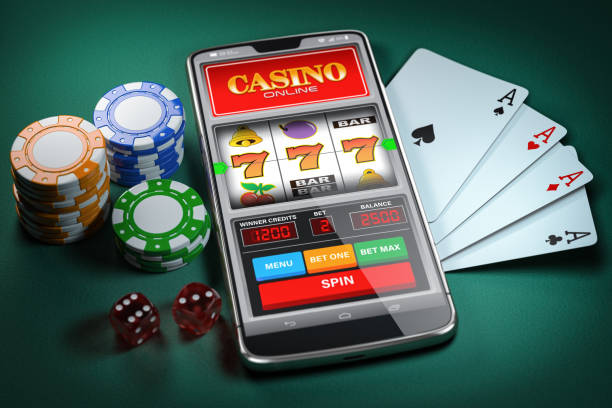
Moreover, the environment of casinos, with their vibrant lights and sounds, amplifies this excitement, creating an immersive experience that can cloud judgment. The combination of sensory overload and the emotional high can lead to a compulsive cycle where the stakes are continually raised, and rational thinking begins to diminish.
The Psychology of Risk-Taking
Understanding the psychological components that drive risk-taking behavior is essential in analyzing gambling habits. Many gamblers possess a tendency towards sensation-seeking, a personality trait associated with the pursuit of novel and intense experiences. This trait not only propels individuals toward gambling but also influences their decision-making processes, often leading to higher stakes and riskier bets.
Additionally, cognitive biases play a significant role in gambling behaviors. The gambler’s fallacy, for instance, leads individuals to believe that past outcomes will affect future results. This faulty logic can result in excessive betting, as players mistakenly perceive patterns where none exist, further entrenching them in the gambling cycle.
The Emotional Roller Coaster
The emotional impact of gambling can be profound, as it fluctuates dramatically between excitement and despair. Winning can induce feelings of euphoria and confidence, while losses can lead to anxiety, guilt, and depression. This emotional volatility can strain personal relationships and disrupt daily life, as individuals may prioritize gambling over responsibilities and connections with loved ones.
Furthermore, the stress of gambling can exacerbate pre-existing mental health issues, creating a vicious cycle that is hard to break. For some, the emotional highs and lows may lead to a dependency on gambling as a coping mechanism for underlying psychological challenges, illustrating the complex interplay between mental health and gambling behaviors.
Responsible Gambling Practices
To mitigate the psychological impacts of gambling, it is vital to adopt responsible gambling practices. Awareness of personal limits and understanding the odds can empower individuals to make informed decisions, reducing the risk of addiction. Engaging in self-exclusion programs and seeking support from professional counseling services can also provide necessary intervention when gambling behaviors spiral out of control.
Promoting a culture of responsible gambling not only protects individuals but also fosters a healthier gaming environment. This involves both operators and players taking accountability for their actions, ensuring that gambling remains an enjoyable activity rather than a source of distress.
Exploring Innovative Gaming Experiences
The evolving landscape of gambling includes innovative games that offer fresh experiences. One such example is the Aviator game, which combines real-time betting with unique mechanics. Platforms dedicated to these games often emphasize responsible play and provide resources to help users navigate their gaming experiences safely.
By understanding game mechanics and engaging with licensed operators, players can enhance their gambling experience while remaining aware of the psychological impacts involved. As the industry continues to grow, resources that prioritize safe play are essential for fostering a balanced relationship with gambling.